Your AI leader, at the table and hands-on. A Fractional AI Officer gives your business ongoing, part-time AI leadership, from the plan to the build.
Your team decides, and AI goes to work on the numbers you watch.
Example
AI without an owner
AI is already in your company. A Fractional AI Officer gives it one owner and one plan.
It arrived a piece at a time. A few people pay for an assistant. Your software vendors added AI features at renewal. A pilot impressed everyone in the demo and never reached the daily work. Somewhere, an agent has access to a system that matters.
- 1Days to first invoiceConnect
- 2Margin by customerBuild
- 3Time on the right leadsBuild
- 4Quote turnaroundUse
Already runningSorted
- Assistant seatsKept, under the standard
- Pilot: document readerFolded into item 1
- Agent with CRM accessLimits set
- AI add-on, accounting renewalRemoved
- One plan
- One standard
- One accountable leader
Each decision made sense when it was made. Together they are spending without a plan, and when your board, your investors or your own managers ask where AI is taking the business, nobody is the person who answers.
A Fractional AI Officer is that person: a senior executive for AI who joins your leadership team part-time. You get a strategy your leaders set and understand, the working systems that deliver it, vendors held to what they sold you, and a team that gets more capable with every build. All of it comes from one accountable leader, without a full-time executive hire.
Your officer
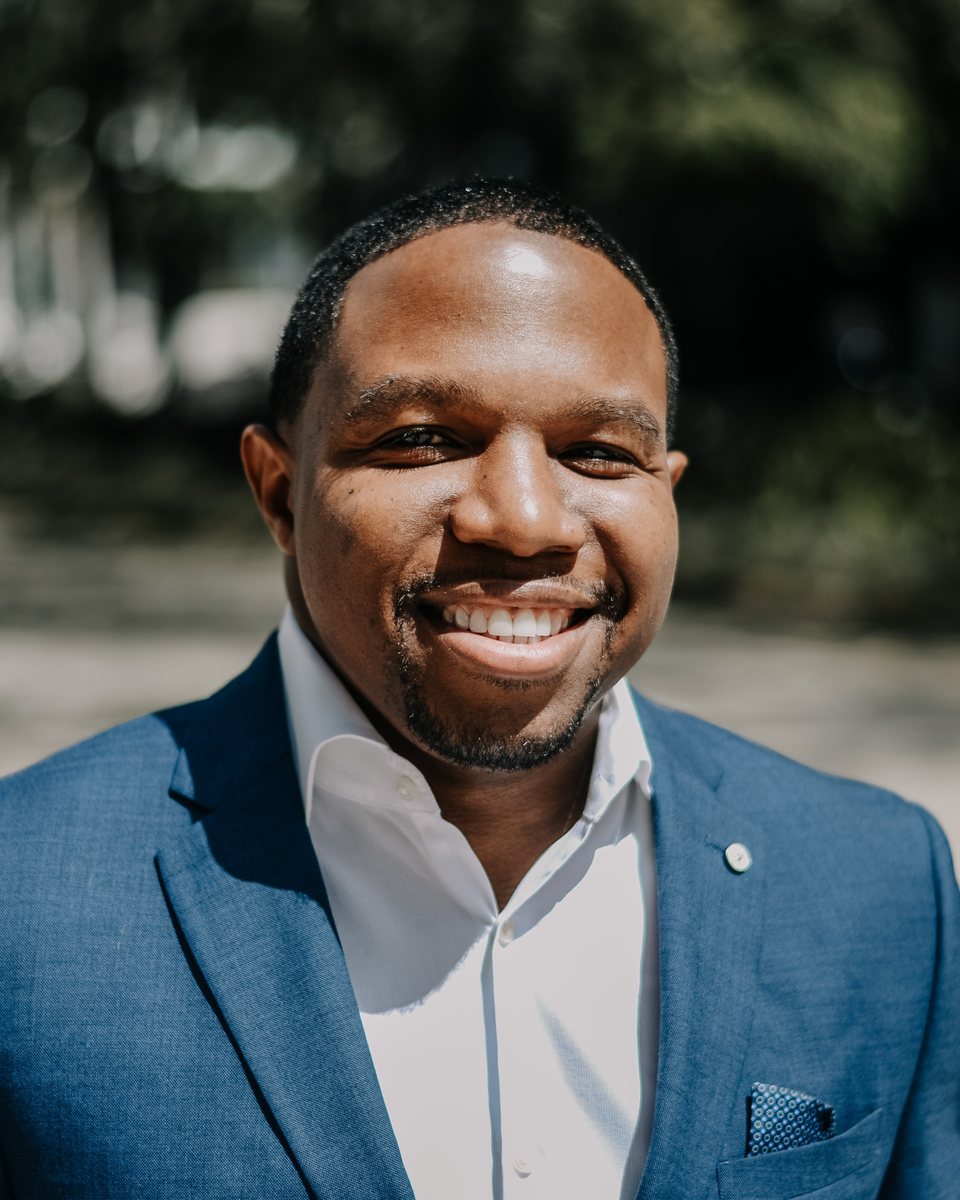
Eric Lopez
Founder, HAIBRID Consulting
- $3BP&L he held for one business unit
- $1.8BAt-risk revenue retained by the account-risk system he launched, 2013 to 2018
- 12,000+Users on the analytics platform he grew, by 2019
He has worked in finance, operations, analytics and technology for more than twenty years. He started in 2003 at a large health insurer, building forecasting and cost models. He spent the next thirteen years at a Fortune 250 enterprise, rising from financial analyst to finance lead for a region, then to holding a business unit’s P&L, then to Vice President of Business Intelligence and Analytics.
Independent since 2019, he advised companies on strategy, financial operations and analytics. Since 2023 he has built AI systems, starting with the one that runs our own company. Kellogg Executive MBA.
01Direction, set with your leaders One AI plan, ranked by the figures you already watch.
The officer sits in your leadership meetings and starts from what the business is trying to do this year. Every AI idea, every pilot and every tool you already pay for goes onto one list. Each item is ranked by how far it would move a figure you already report, such as days from a signed customer to a first invoice, and by what it would take to deliver. Your leaders set the order. Then the work starts at the top.
The order follows the return
We study how the work runs today and measure what each job costs in time, errors and money. The biggest return goes first, and the records that several builds depend on get fixed before anything is built on them.
Use, connect or build
For each item the officer recommends one of three routes: use software that already does the job, connect the tools you pay for, or build something custom. You see the reasoning for each route, and you make the call.
One AI standard for the company
One written standard covers which AI tools and agents your people use, what each can reach, what it may spend and how your data is handled. An agent is software that decides its own next step, so its limits are set before it starts: which actions it takes alone, and which wait for a person.
Where the business could go next
The plan fixes the work that hurts today and looks past it: what your company could offer, decide or run differently once the first builds are in place. Your leaders see both and choose how far to go.
He has set direction from inside the room
At the Fortune 250 enterprise he led finance for a region of about $600M, held a business unit’s full P&L, and set up the company’s first analytics center of excellence. As an independent, he held the lead finance role on a $20M savings mandate when a private-equity-backed technology company restructured ahead of going public.
Ready to see what your own AI plan would look like? The first look is free.
02From plan to working systems Every item gets built, and every build is read against its number.
Your plan does not stay a document. The officer who shaped it with your leaders answers for delivering it. HAIBRID builds each item, proves it on your own data before it goes live, and reads the result against the figure it was ranked on.
- Build
- Connected onboarding
- Service
- Systems Integration
- What it does
- A signed customer’s details move from your sales software into billing and account setup with no retyping
- Owner, your side
- RT
- Proved on
- Your own past customer records
- Days, signed to first invoice
- Controls RT holds
- Approves any invoice outside your standard terms, and can turn it off
- Hand-over
- Written, signed by RT
- 1
Connected onboarding
A signed customer’s details flow from your sales software into billing and setup, so the first invoice goes out sooner.
Measured in days, signed to first invoice
Systems Integration - 2
A margin view by customer
Margin by customer and by service line, days after month end. Ask why it moved in plain words, and have an agent flag the accounts that slip.
Measured in days after month end
Business Intelligence - 3
A scored sales pipeline
Prospects are found, checked and ranked against your best customers before your sales team spends an hour on them.
Measured in hours a week of sales research
Workflow Automation
Anything we build as a project can be an item on your plan, from software you own set up properly to a team of AI agents.
Builds that add up
Each build leaves cleaner records and a written process behind, and the next build starts from them: the onboarding records from item 1 are what make the margin view in item 2 possible. Planned by one officer, your builds become one system for running the company.
Handed over working. Watched for 60 days.
You own everything we build, including the code.
Every build comes with a written record of how the work ran before and how it runs now. It stays with your leaders when people change, and it is where training for the next person starts.
We have built this way before
Inside the enterprise, one shared client record came first. The account-risk system, the pricing models and the churn predictions were each built on it in turn, and adoption of those tools ran near 100%.
We run our own company on agents we built
HAIBRID runs on a system of AI agents we built ourselves and extend every day. Each agent has one job and set limits, automatic checks review work before it lands, and a model from another AI lab checks it again. Since December 2025 it has carried our research, marketing, lead generation in three markets and client delivery. Your agents get the same kind of written limits.
03What stays in your company Vendors that deliver, and people who can run AI without us.
Part of an officer’s job is to make your company better at this for good. That means software chosen with care, vendors held to what they sold you, people trained on real work, and a first AI role defined when you are ready to hire for it.
- RTOwns onboarding
- MKWill own the margin view
- JSTrained
- ALTrained
- First AI roleDefined, ready to hire
Software chosen from use
When a product already does the job well, we recommend it, set it up fully and connect it to everything around it. We choose from the tools we run ourselves every day.
Vendors held to account
The officer sits on your side of every AI vendor conversation: reviews the terms, tests the claims on your own data, cuts subscriptions that overlap, and holds each vendor to what you bought it for. He has done it from the buyer’s seat. He selected the analytics platform that enterprise went on to run, and selected the data software beside it and negotiated its commercial terms himself.
People trained on their own work
Your people learn AI on the builds they will run, and each build has an owner on your side who signs the hand-over. Leaders hear the plan, managers hear why each build is coming, and the people doing the work get the new process in writing first. Around all of it grows a knowledge base: a written record of how your business works, which your people and your agents both read before they act.
Your first AI role
When the work calls for a full-time AI leader or team, the officer defines the role from the work already running and trains the people who fill it. They inherit the plan, the standard and the record.
He has grown this capability inside a company
He built that enterprise’s analytics center of excellence into a team of 20+, and trained analysts inside the operating departments to build to a shared standard. He presented the rollout as a featured speaker at a software conference of more than 10,000 people.
The alternatives
Four other ways to get AI help, and what each one leaves to you.
The usual option: A full-time Chief AI Officer.
What you get instead: The same seat at your leadership table, filled now and part-time. No executive search and no executive salary. When a full-time role makes sense, it is defined from work already running.
The usual option: A strategy firm that leaves a recommendation.
What you get instead: The officer who shapes the plan answers for building it, so what your leaders agreed is what goes live.
The usual option: A developer or agency that builds to order.
What you get instead: Advice from someone who has held a P&L and led finance, operations and analytics, so each build is chosen for what it does for the business before any code is written.
The usual option: A product your team adapts to.
What you get instead: Software chosen to fit how your people work, set up and connected properly, with a custom build where no product fits.
How it runs
It starts with a first build, then it runs on your calendar.
Proof Sprint
A short paid phase inside your business. We measure how the work runs today, sort the AI you already have, set the first plan with your leaders and build its top item, proved on your own data. You see how we think and what we deliver before the ongoing work begins.
Ongoing leadership
The officer joins the rhythm you already keep: leadership meetings, budget cycle, board dates. The plan is reviewed where your decisions get made. A build lands, its number is read, and your leaders pick the next item.
When you outgrow part-time
The officer defines your first full-time AI role, helps the person who takes it get started, and hands over the plan, the standard and the record of every build.
Questions about a Fractional AI Officer
Who will we work with?
Eric Lopez. He sits with your leaders, shapes the plan and answers for every build. HAIBRID delivers the builds.
How is this different from one of your projects?
A project has one job, an agreed result and an end. A Fractional AI Officer is ongoing, on a retainer: someone owns your AI direction all year, and the projects happen inside the plan. You can start with either.
We already have an IT lead or a technology partner. How does the officer work with them?
Alongside them. They keep running your systems and your security. The officer owns the AI plan, agrees access and data rules with them, and brings them into every build that touches their systems.
Can our people use AI agents?
Yes, under your AI standard. We set up and customize a packaged agent from an AI lab, or build one around your own systems. Each one gets written access, a spending limit and an owner.
How will we know it is working?
Every item on the plan carries a figure measured before the build and read again after. At each review your leaders see the same list: what landed, what it moved and what is next.
Who owns what gets built?
You do, including the code, from the day it is handed over. Software bought from a vendor is licensed to you directly.
We are an investor with several companies. Can one officer cover them?
Yes. One officer sets a common AI approach across your companies and builds inside each one, with results you can read at fund level. See Private equity
Find out where AIshould take your business.
Take the free Operations X-ray, or book thirty minutes with Eric Lopez. Bring the tools you pay for, the pilots you have running and the question your board keeps asking. You will be talking to the person who would sit at your table.
Book a 30-minute call Opens Calendly in a new tab
Industries