About

From finance and analyticsto building AI.I’m Eric Lopez. I ran enterprise-level finance and analytics, rising to vice president. I build AI so your business can take on more work.

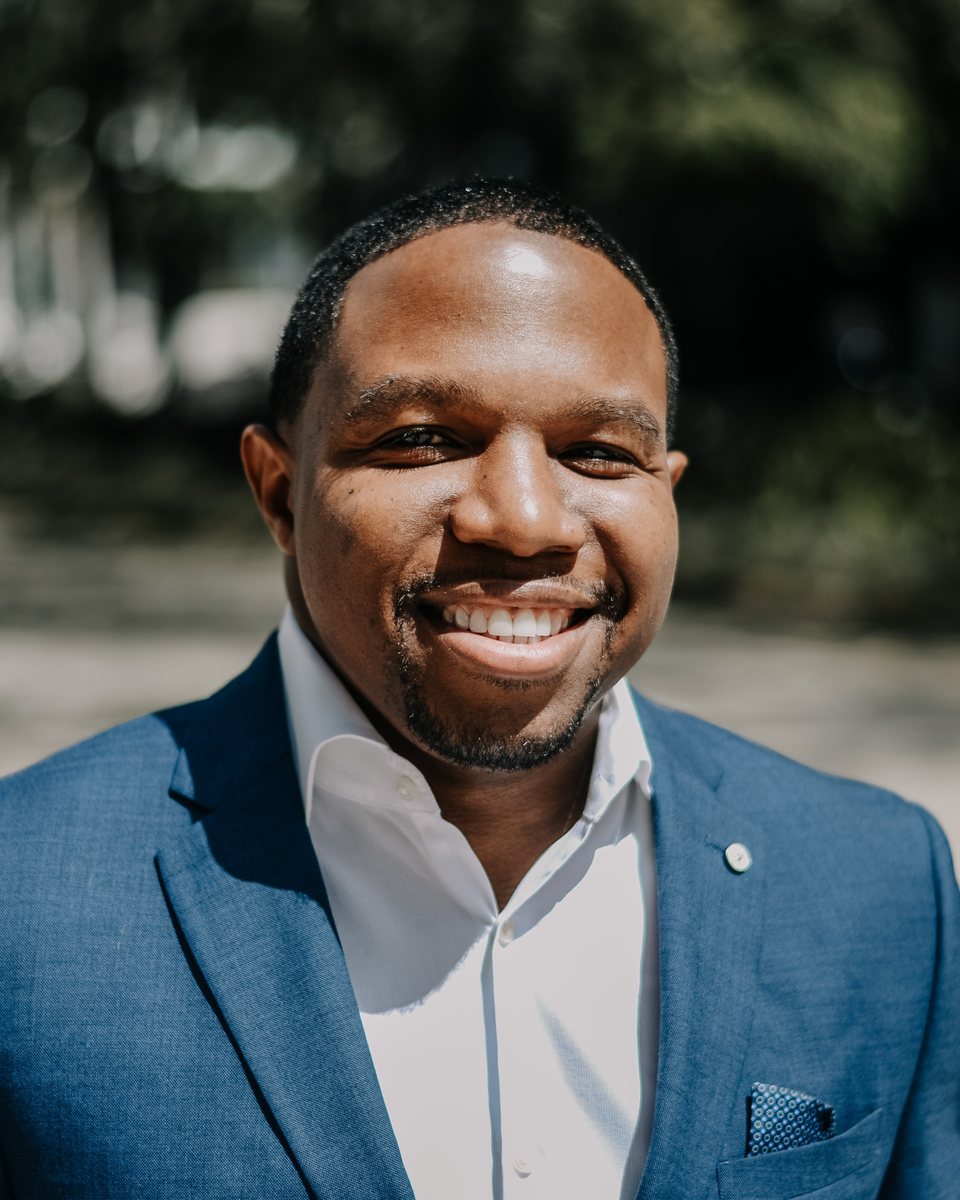
Eric Lopez, black-and-white portrait
Eric Lopez, HAIBRID Consulting, Miami

I spent sixteen years inside two large companies, and the years since building my own. In the first, I held budgets, led teams and built the systems those teams worked in. In the second, I had no department to hand the work to, so I built AI to carry it.

HAIBRID Consulting is both halves put to work for you: systems built to the standard a large company expects, in the time a small one can afford to wait.

Inside two large companies · 2003 to 2019I learned to build systems by running the work they serve.

I came up through finance, operations and analytics, first in health insurance and then in payroll and HR services. I started out building the tools myself and finished leading the people who built them. These are the four jobs, and what each one taught me that your build now gets.

  1. 2003 to 2011Built the tools myself
  2. 2011 to 2015Began building the team
  3. 2015 to 2019Led the builders
  4. 2019 to todayOn my own

2003 to 2006 · Financial operationsBuilt the tools myself

I automated my own team’s mornings.

I started in the financial operations group at UnitedHealth Group. I built forecasting models and ran the model that showed what each activity in the business cost. Every morning the team also put together 150 reports by hand. I automated all 150 and gave the team about two hours of every morning back.

Before · 150 reports a day, by handAfter · one automated run, two hours back

What it taught me

Count the time before you change anything. Two hours a morning was a number anyone could check.

On your build

We measure how the work runs today first, so your result is a number you can check too.

2006 to 2011 · Analyst, then project managerBuilt the tools myself

I built the connected client records the company’s analytics ran on for ten years.

I joined ADP as a financial analyst. To see how one client was doing, an analyst spent about two weeks pulling together payroll, benefits, case, call-center and service records. I connected those records into one live view of every client, then built the dashboard leaders had asked for on top of it. The answer was there whenever someone asked, and the same records carried the company’s pricing, risk and analytics work for the next ten years. As a project manager I then reworked the pricing structure, which added more than $55M a year in revenue.

Before · five separate records, two weeks per answerAfter · connected records, then the dashboard on top

What it taught me

Reports, and now AI agents, are only as good as the records under them. Get those records sound and connected first, and what you build on top can be trusted.

On your build

We check and connect your records before we build the reports or agents that rely on them.

2011 to 2015 · Finance leadershipBegan building the team

I became responsible for the numbers, and began building the team behind the tools.

First I was the senior finance lead for the company’s Southern region, a portfolio of about $600M, where I approved and signed the pricing in client contracts. Then I became Senior Director of Financial Operations and held the profit and loss for a business unit of about $3B.

From that seat I saw how the company fought to keep customers who were about to leave: a spreadsheet for each region, and approvals chased by email. I began building a team and leading the development of one system to carry the whole job. It flagged the account, held the plan to keep it, sent the price change for approval and recorded how it ended. It made the service teams’ own day easier, so they used it. From 2013 to 2018 it kept $1.8B of revenue the company would otherwise have lost.

Before · a spreadsheet per region, approvals by emailAfter · one system: flag, plan, approve, record

What it taught me

People use what makes their own day easier. Nearly everyone my teams built a tool for used it, because each tool sat inside a job they already had to do.

On your build

We design around the way your people work now, and we are careful about what we ask them to change.

2015 to 2019 · Vice President, Business Intelligence and AnalyticsLed the builders

I led the development and implementation of a platform 12,000 people used.

As vice president I also led the company’s first analytics center of excellence, a central team serving several business units. It grew out of the finance operations team I had built and reached more than twenty people. I chose the analytics software and negotiated vendor terms, and my organization ran the data platform underneath. By 2019 the platform had more than 12,000 users and 150 dashboards. No analyst in the business units got the tools until they had been trained on them.

The risk system had been recording every save for years: the risk, the plan and the outcome. My team used that record to build a model that predicted which customers would leave. It identified $211M a year of revenue at risk, helped keep $70M of it and cut the rate of customers leaving by 35%. When the company later moved that service work to a new platform, nothing had to be worked out again, because the way it ran was already written down.

Before · a small teamAfter · a trained function, and a model built on the saved records

What it taught me

A good system leaves three things behind: data you can build on, people who know how to use it, and a written account of how the work runs.

On your build

You get all three at hand-over, and you own them.

On the record

  • EducationKellogg School of Management, Northwestern University. Executive MBA, with concentrations in Strategy, Analytics and Leadership.
  • EducationBates College. BA in Economics. Captain of the men’s squash team.
  • SpeakingFeatured speaker, Tableau Conference 2015.
  • RecognitionCFO Award, 2011. Region of the Year, 2012.
  • BaseMiami, Florida.

On my own · 2019 to todayThen I built a business from nothing, and the AI that runs it.

I left in 2019 to work for myself. For four years I advised companies on strategy, finance and analytics. The biggest of those jobs was the lead finance role in the restructuring of a mid-market technology company preparing to go public, working to a $20M savings target set by its private-equity sponsor.

In 2023 I started building with AI. Inside the enterprise I had developers, a data platform and a budget. On my own I had what most owners have: the work in front of me and nobody to hand it to. So I built systems to carry it, one job at a time, and in 2024 I started HAIBRID Consulting to build them for other businesses.

Today the company runs on them.

  • They find and qualify our prospects.Our systems have researched and scored more than 3,000 companies in two markets.

  • They watch our market.Every hour they read 35 sources and pass on only what is worth acting on.

  • They do the research and the first drafts.Teams of agents gather the facts, write, and check each other’s work against the source before anything reaches me.

  • They hold us to our own rules.Our standards are written into the system. A claim is checked against its source before a client sees it, and a new job is tested small before it runs at full size.

  • They remember.Every decision and every solved problem is written down where the system reads it next time, so the same mistake is not made twice.

  • They built this site.The page you are reading was written, built and checked in the same system.

What it taught me

What these tools do on an ordinary working day, what they cost to run and where they break. I find that out in my own company.

On your build

Your advice comes from daily use, and a new tool’s problems get found in my company before they reach yours.

A drawn board of the company: six stations hung off one line that runs down to today. Prospects: a list of companies re-sorts as scores land. Market watch: a feed scrolls, most lines fade and two move into a short list. Research and drafts: a document passes between three agents and comes back with a check. Our rules: a document stops at a gate tagged check the source. Memory: a notebook page is written, then read back. This site: a small wireframe of this page draws itself.

What that means for youWork that took years inside a large company now takes weeks. The standard has not changed.

Inside a large company, good systems were slow. The single view of every client took from 2006 to 2010. The analytics platform went from a two-person trial in June 2014 to more than 400 users in five departments by October 2015, and that was quick enough to earn a featured session at the vendor’s conference, in front of more than 10,000 people.

With the tools we build on now, the same care takes days or weeks. We built and tested a system that reads a scanned accident report into a law firm’s case software in 48 hours. We delivered a nightly prospecting pipeline to a manufacturer’s sales team in 25 days.

The clock changed. What makes a system worth having did not: know what the job costs today, get the records under it right, build it into the way your people already work, and leave them trained with the record in their hands. I learned that standard over sixteen years. Your build is held to it, at today’s speed.

Drawn to one scaleFull width: four years

2006 to 2010One live view of every client

June 2014 to October 2015Analytics platform, trial to 400+ users

25 days

25 days, up close

A manufacturer’s nightly prospecting pipeline: each morning, the best companies arrive as cards on the sales lead’s phone.

48 hours

48 hours, up close

A scanned accident report, read into a law firm’s case software, with a rating on every field.

The same four ticks under every barMeasuredRecords rightFits the dayTrained and written down

Working with HAIBRIDI work beside your team from plan to working system, and I answer for the result.

HAIBRID is my firm. The plan and the build come from one place, so nothing is lost between the advice and the working system. I agree the result with you before we start, work with your people while it is built, and my name is on what we hand over. There are two ways to hire us.

  • A project

    One defined job, with a result we agree before we start: manual work automated, your systems connected, or your numbers explained. We prove a first build on your own data, then build to the result.

    See how we work
  • Ongoing AI leadership

    For a leadership team that wants one person to own its AI direction. I have held a profit and loss, grown a function from a small team to more than twenty people, chosen the software and negotiated its terms, and led the finance side of a restructuring. As your Fractional AI Officer I work alongside your leaders part-time, set the direction with them and see it through to working builds. Your leaders still make the calls.

    See the Fractional AI Officer

Tell me how the work runs today.I will tell you where I would start.

A thirty-minute call, with me. Or begin with the Operations X-ray, our free first look at your operation.

Eric LopezScoping call
30 min

Tue, Oct 6Eastern Time

Video callAll times